


Wes Craven’s original A Nightmare on Elm Street spawned one of the greatest horror franchises of all time. But the subsequent sequels each took wild swings, and in many ways, remain as beloved as the original. This year, Warner Bros. Home Video released the first seven films in the series in 4K Ultra-HD Blu-ray at last, and Nerdist had the privilege of talking to the directors of Freddy’s Revenge and Freddy’s Dead, Jack Sholder and Rachel Talalay, respectively. They each unpack the forty-year legacy of their Nightmare installments.
Jack Sholder on A Nightmare on Elm Street 2: Freddy’s Revenge
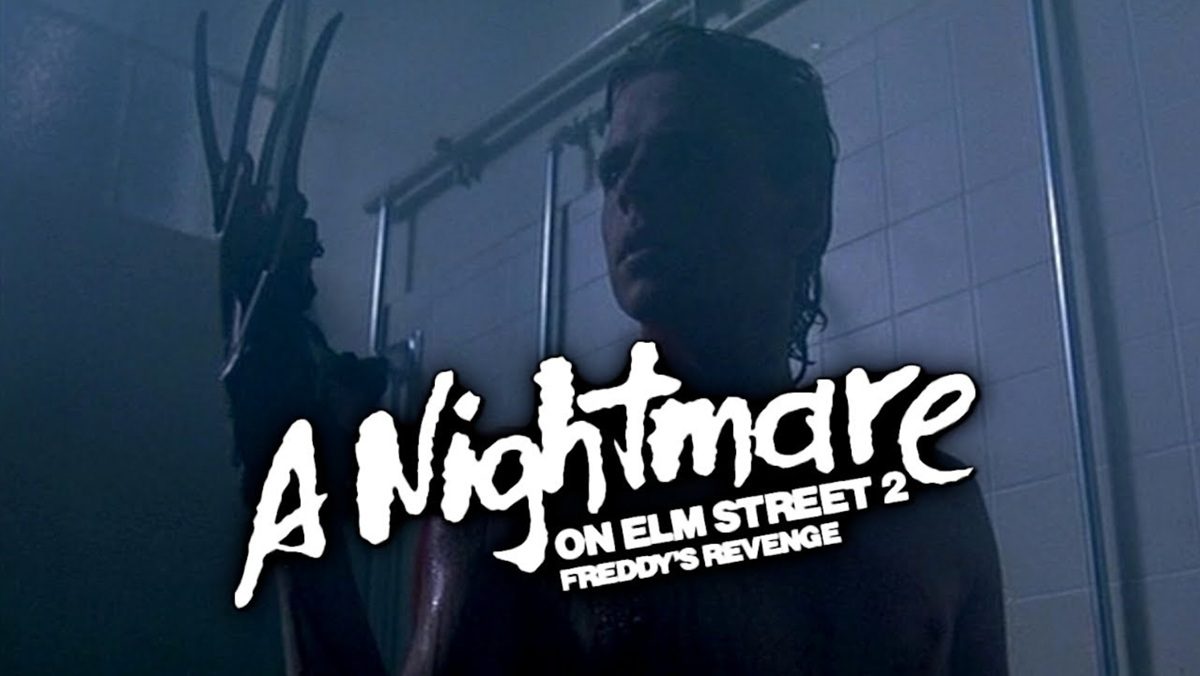
Nerdist: Freddy’s Revenge came out almost one year to the day from the original. That seems like an insane amount of time to write, shoot, and edit a major release. What was it like to make the film on that kind of a schedule?
Jack Sholder: Well, I had six weeks to prep the film because, as you may or may not know, Wes Craven was supposed to direct it, but didn’t write the script. Wes never liked the script, and had better things to do, so he bailed six weeks before. But the movie had a firm start date, so they asked me to do the movie. I agreed, and it was very, very anxiety-filled. Six weeks trying to get everything ready to shoot what seemed to me to be almost an impossible movie to make from my perspective. It had so many special effects and so much going on, and it just seemed extremely complicated. And once we started shooting, I pretty much figured the whole thing out before we started. And so the shooting went pretty well. I think we had 30, 32 days or something like that, plus an active second unit.

I know there wasn’t a 100% guarantee that Robert Englund would come back to play Freddy for part 2. Is it true that there’s one scene in the final film that’s a different actor in the role? And do you remember what it was like to have to start without Robert?
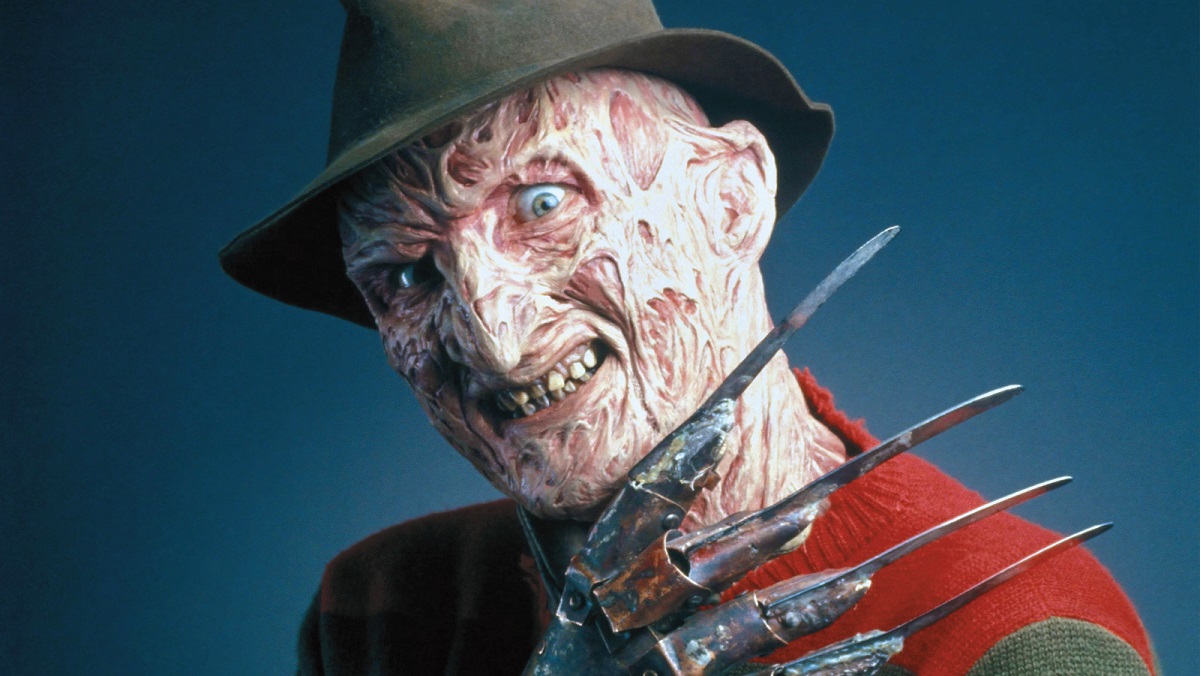
Sholder: Well, I’d been living in New York. The next thing I knew, I was in Los Angeles, and I said, “So are you bringing Robert Englund back? And they said, “Well, his agent wants more money. He’s asking for more money to do the sequel, and we don’t want to pay him more money.” I said, “I think he’s really good. I think you really need him.” And they said, “Well, we could just get anybody to dress him up in that outfit. That’ll be fine.” And I spoke up and said, “It’s really not that kind of character.” I mean, it’s not like Jason, who kills somebody and then goes away. This guy actually is a real character and has dialogue. And so luckily, they were finally able to make a deal with him.
Thankfully for me, the series, and for Robert, they made a deal. Because this has been a very good thing for him. And he’s getting his star on Hollywood Boulevard. But he wasn’t available the first week we were shooting. We were able to shoot just one shot of Freddy that didn’t involve Robert, which was Freddy walking out at the end of the shower scene. And so they got this guy, people say it was a stuntman, but it was just some guy off the street. I don’t know that he was an actor, he just fit the costume. And they stuck him in there, and he was awful. He was walking like Frankenstein, and I had to keep telling him to stop walking like a monster. So we had to do that. And then the following week, Robert shows up, and boy was he good.
I know you’ve gone on the record for years saying you had no idea the script had gay subtext when you shot it, but now it’s celebrated as one of the gayest horror films ever made. How do you feel about its place in the LGBTQ cinema pantheon now, 40 years later?
I’m delighted. I think it’s great. I mean, I knew that the film had all of these gay elements that were part of the mix of what was in there. There were a lot of different elements to the story, and that was one of ’em. And I’ve been living in the West Village and in the period in between Stonewall and AIDS, and so I saw the period where gay life was out on the street. So I kind of saw it as an observer, certainly a very superficial understanding of what was going on. And so yes, that was in the script. So we thought we’d have a little fun with that. We had tried to have a little fun with everything else in the script.

And then we opened, I mean, honestly, none of us ever discussed if Mark [Patton] was gay or not. I mean, it wasn’t even a thought. Everybody thought he was like the next Johnny Depp. He was this really cute young guy who had a certain quality. I mean, Johnny Depp has a certain effeminate quality about him too. He’s a real pretty boy. And just like Mark. And there was one review in the Village Voice, nobody else picked up on it. None of the critics picked up on it. And it got actually pretty good reviews, amazing for a horror sequel. Then The Village Voice came out and said, “It’s the gayest horror film of all time” or something. And we all thought it was funny because that’s not what the film that we made, but it is certainly in there.
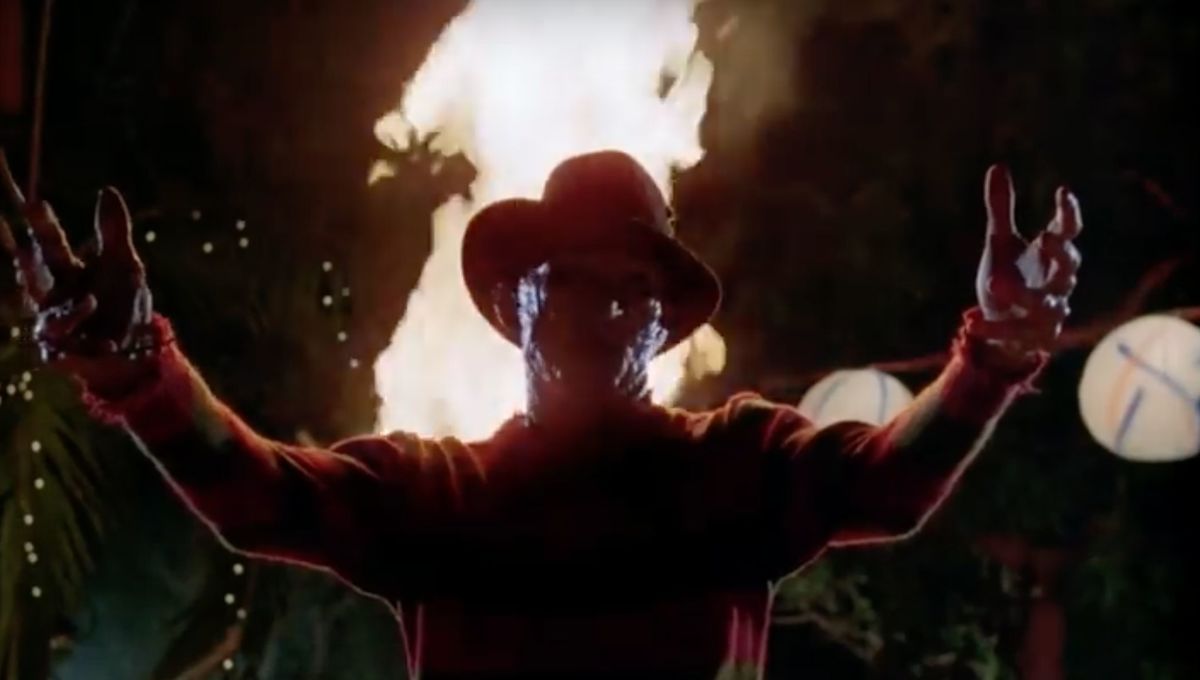
If you look at it all, it’s very convincing. And then when I reconnected with Mark 10 years ago, then we talked a lot more about it. Initially, I was kind of amused at this sort of reinterpretation. And then as time went on, Mark and I got closer, because we were never really that close when we were shooting. I mean, we had a very good professional relationship, but we didn’t hang out or anything like that. And he was going through a lot of stuff on his own. So I just left him alone. But now I’m delighted that we have this audience, and I’ve seen a lot of young gay kids meeting Mark and how much this means to them. And I think it’s great.
Rachel Talalay on Freddy’s Dead: The Finale Nightmare
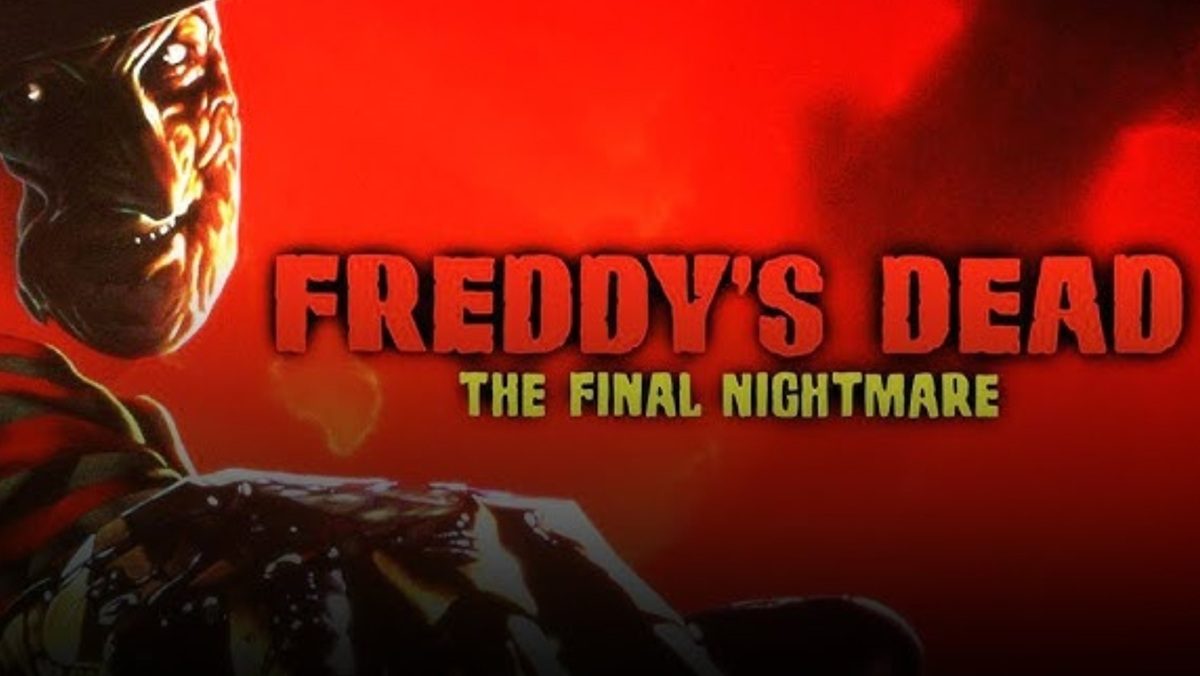
Nerdist: You were involved with the first four Nightmare films in different capacities. You got to watch it go from little indie horror into a mega franchise. Did you ever consider going back to the tone of Wes’ original movie, or by the time six rolled around, did you feel that ship had sailed?
Rachel Talalay: We were instructed to go for [more comedic] because the box office almost doubled on part three. And I want to credit Chuck Russell and Frank Darabont for writing a script that was bigger and ambitious, but also had a very strong story. I think it was really important to reset the film after part two, which didn’t really get that Wes Craven essence. And so I think Chuck and Frank brought that and more. And by making it funnier, they upped the box office quite a bit. So I think that New Line had that very much in mind from the marketing standpoint. I think part five being so dark [and underperforming], there wasn’t a “How are we going to make part six scary?” It was “How are we going to make part six as commercial as possible?” Which meant the 3D, the title, and more humor.

The introduction of Freddy’s daughter played by Lisa Zane is this huge, last-minute wrinkle in the Freddy Krueger origin story. What inspired you to give him a wife and child?
Talalay: That came out of [New Line executive] Mike DeLuca. So you go back to “Who’s going to kill him?” Well, he needs to be killed by somebody in his own family, and then the conversation was when we need to turn that into a mystery, you think it’s somebody else, which the John Doe character is there to be. And so that got fitted in that direction. I think, I mean, you’re asking me to remember how we constructed a script, how many years ago? [laughs] Really, really, really a long time ago. And so I don’t have the outline of my original pitch either. Of all the weird archive things I have in my house, and there’s a lot, I don’t have that original outline for some reason.

You worked on several iconic John Waters movies, and I know you’ve said before you tried to bring in some of that Waters sensibility to Freddy’s Dead. All these years later, which is the scene that is most John Watery to you in the film?
Talalay: I don’t know, maybe Roseanne and Tom Arnold? Because they are very over the top and because they’re very much sort of John Waters-type characters.

I’ve read that the original script’s John Doe character would have been a teenage Jacob from Dream Child, and the Dream Warriors would have returned in some form. What made you to decide to scrap those connections to previous films?
Talalay: That was never part of the story that I knew in any way. But in fairness, between five and six, there were some things that happened while I was busy on Crybaby, and that I didn’t know about. But I came in and pitched the John Doe story. Which is why I have story credit on Freddy’s Dead. When I pitched that story, he was not Jacob, and the Dream Warriors were not involved. But there’s also this whole script that I never knew existed from Peter Jackson, this famed Peter Jackson script, which I never saw, never knew existed. And somebody had to tell me they’ve seen it to tell me. And I have all these old scripts from other authors, but somebody had told me they’d seen the Peter Jackson one, because to me, that’s just this thing that happened while I was working on something else.
I love that there’s a Twin Peaks shoutout in the movie. Freddy’s Dead likely has the honor of being the first Twin Peaks namedrop in a movie ever, as the show was still on the air. I know it’s a “for laughs” reference, but did you ever think Springwood and Twin Peaks had similarities? Demonic entities preying on young women, small town secrets, etc?
Talalay: We were huge Twin Peaks fans. Mike DeLuca, Aaron Warner, who was my producer, were huge Twin Peaks fans. We met cast members from Twin Peaks during the casting session, and we talked a lot about the look of Twin Peaks related to this movie. I could never really get there, but yes, I think we all elementally felt that surreal Springwood that exists in Freddy’s Dead is a dream world. And so that definitely is completely related to Twin Peaks. Is there some universal, I don’t know, can we create a time loop and put them together? That would be great. I love that. I love that idea.

You’ve directed a ton of Doctor Who and Arrowverse shows. Do you think Freddy’s Dead helped you in creating these kind of fantasy worlds on a tighter budget than a giant tentpole?
Talalay: I know that it did. And I know that when I went on to Doctor Who, I mean, we used the same technique as Ronnie Blakely being disappeared out of the window in [the first] Nightmare. I sat in production meetings with Doctor Who and referred to the way we made Freddy do things for those kinds of budgets. So, I have one hundred percent learned how to do things, how not to say no. So yeah, I think that’s a huge part of my arsenal, and I absolutely credit A Nightmare on Elm Street for being my film school.

The complete A Nightmare on Elm Street 7-Film Collection is now available on 4K Ultra-HD Blu-ray.